If you’re looking for a sustainable, eco-friendly way to keep your grass neatly trimmed and free of weeds, then animal mowers could be the answer. Machine mowers, either the ride-on or the push variety, are noisy, require regular maintenance and emit carbon monoxide and dioxide into the atmosphere. They also cut into your valuable time and energy.
However, when planning to keep live “lawn mowers” on your acreage, there is one crucial element that often gets overlooked: reliable, clean hydration. Keeping your animals healthy, hydrated, and productive requires a consistent water supply, especially during hot Australian summers. Harvesting rainwater is the most cost-effective and natural way to keep their water troughs filled.
But how much water storage do you actually need to support both your home and your new livestock? If you are also supplying rainwater to your household, you might wonder: is a 10,000-litre water tank enough for a family of four? Properly sizing your water storage ensures that your family, home garden, and acreage animals never run dry. Let’s take a look at five of the best animals to consider as a natural mowing alternative to maintain your grass, along with the ideal rainwater and trough setups for each.
1. Goats
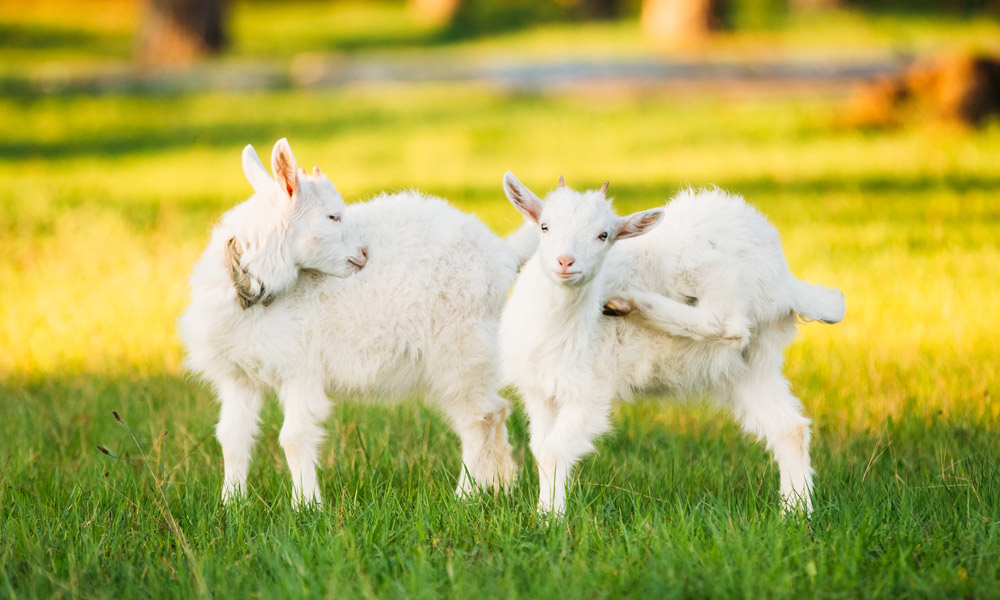
Goats have superior weed whacking capabilities and are a classic choice for lawn maintenance. These extreme omnivores will eat brush, twigs and leaves as well as grass. Independent, inquisitive and lovable, goats have personality plus when it comes to being natural lawn mowers.
Downsides of goats are their unpredictable browsing habits which can lead to uneven grass lengths. They can also climb, so you need to provide a secure enclosure.
Livestock Hydration Tip for Goats: Goats are notoriously picky drinkers and will refuse to drink dirty or stagnant water. To keep them healthy, pair a small herd of goats with a compact Slimline Camel Tank (ranging from 1,000L to 3,000L) connected to our heavy-duty, UV-stabilised poly livestock troughs and feeders. Poly troughs are goat-proof, extremely easy to clean, and resist heat better than concrete.
2. Sheep
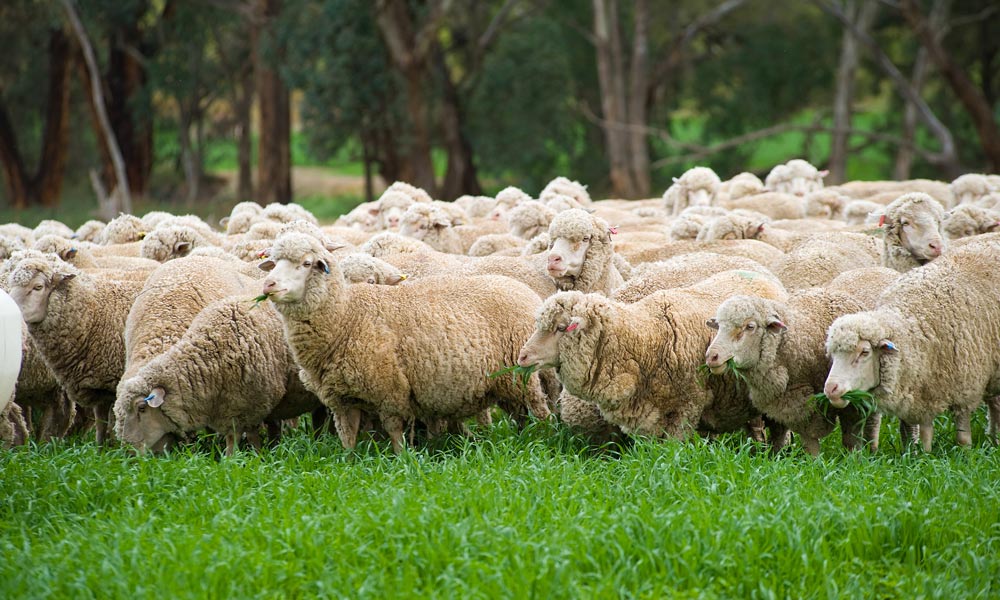
Sheep are a traditional choice for lawn maintenance, and they can also be used for wool and milk. They have good grazing ability and will do a great job with a large area of grass. As sheep are docile creatures, they don’t usually cause trouble, but they’re social animals so you’ll need at least two.
Livestock Hydration Tip for Sheep: Sheep graze constantly and require continuous access to fresh water to support wool production and lactation. A small flock of sheep is perfectly suited by a durable Round Water Tank (such as a 3,000L or 5,000L model) plumbed directly to an automatic-float poly sheep trough. These troughs ensure sheep have water on demand without the risk of stagnant water or rust.
3. Cows
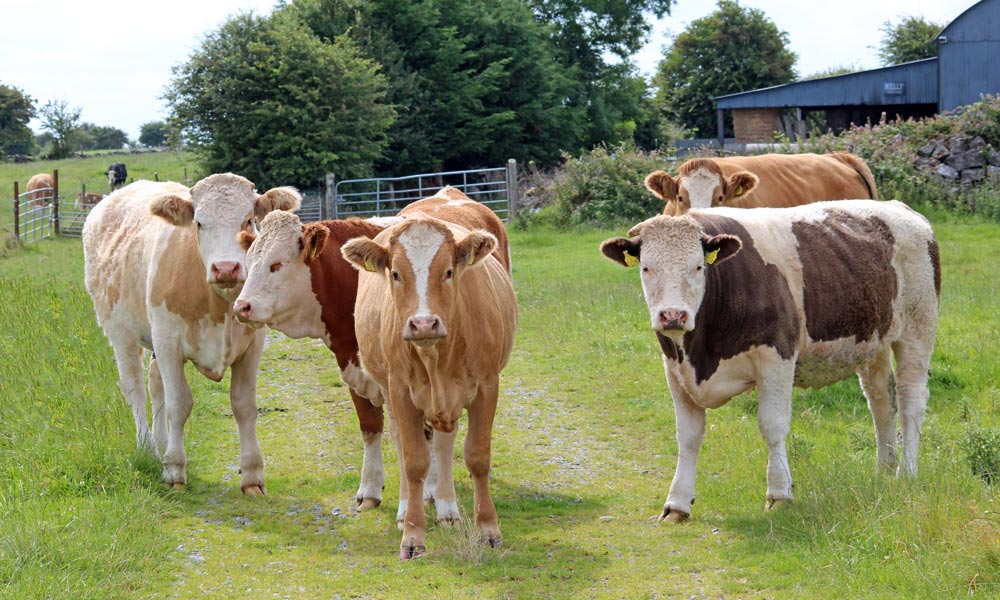
Cows are voracious munchers of grass so are ideal for large plots of land. They are easy to look after and won’t try to escape. You could also consider using them for milk. An issue with keeping cows is what to do with the manure, and they’re less eco-friendly than other animals as they produce methane emissions.
Livestock Hydration Tip for Cattle: Cattle are massive water consumers. A single dry cow can drink 40 to 60 litres of water per day, while lactating cows can exceed 150 litres daily! For cattle, high-capacity water security is essential. We recommend a dedicated large-volume storage solution like our 10,000L Squat Rainwater Tank or our heavy-duty 23,000L Rainwater Tank, feeding into heavy-duty, low-profile poly cattle troughs designed to withstand heavy impacts.
If you like this article, you might also like:
4. Chickens
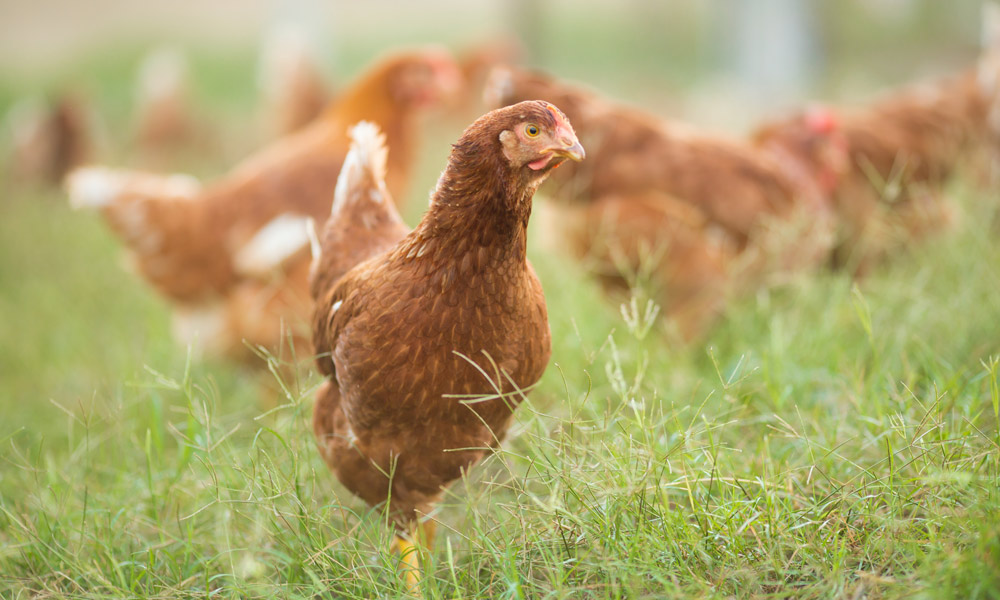
You can kill several birds with one stone so to speak with chickens. These friendly birds not only eat grass, but they can also be kept as egg layers or used for meat. In fact, the more grass there is for them to eat, the better quality of the eggs they produce. To keep chickens concentrated on a patch of grass, you can set up A-frame coops with an open floor for grazing, and move it when they’re finished in one area.
Livestock Hydration Tip for Chickens: Chickens require clean, pathogen-free water to prevent disease and maintain steady egg production. You can easily harvest rain off your chicken coop or shed roof into a small Slimline Water Tank (1,000L or 2,000L) and gravity-feed it directly to automatic cups or poultry-specific watering systems, keeping their hydration completely sanitary.
5. Guinea Pigs
Livestock Hydration Tip for Guinea Pigs: For guinea pig hutch runs or house-yard enclosures, a compact Under Deck Tank or small rainwater collector is a great way to harvest water from porch or veranda eaves, ensuring you have a steady supply of natural water for small pets and house gardens alike.
Although they’re little, get a group of guinea pigs together, and they can make a serious dent in your grass. A single guinea pig can eat five times its bodyweight of grass a day. Not only are they small and portable, guinea pigs have sharp little teeth ideal for neat grass trimming. Perfect for keeping the lawn in your house yard under control! However, as they don’t just eat grass, they will need other food to supplement their diet.